Best Ways to Prepare for an Emergency Dentist Visit in Plano, TX
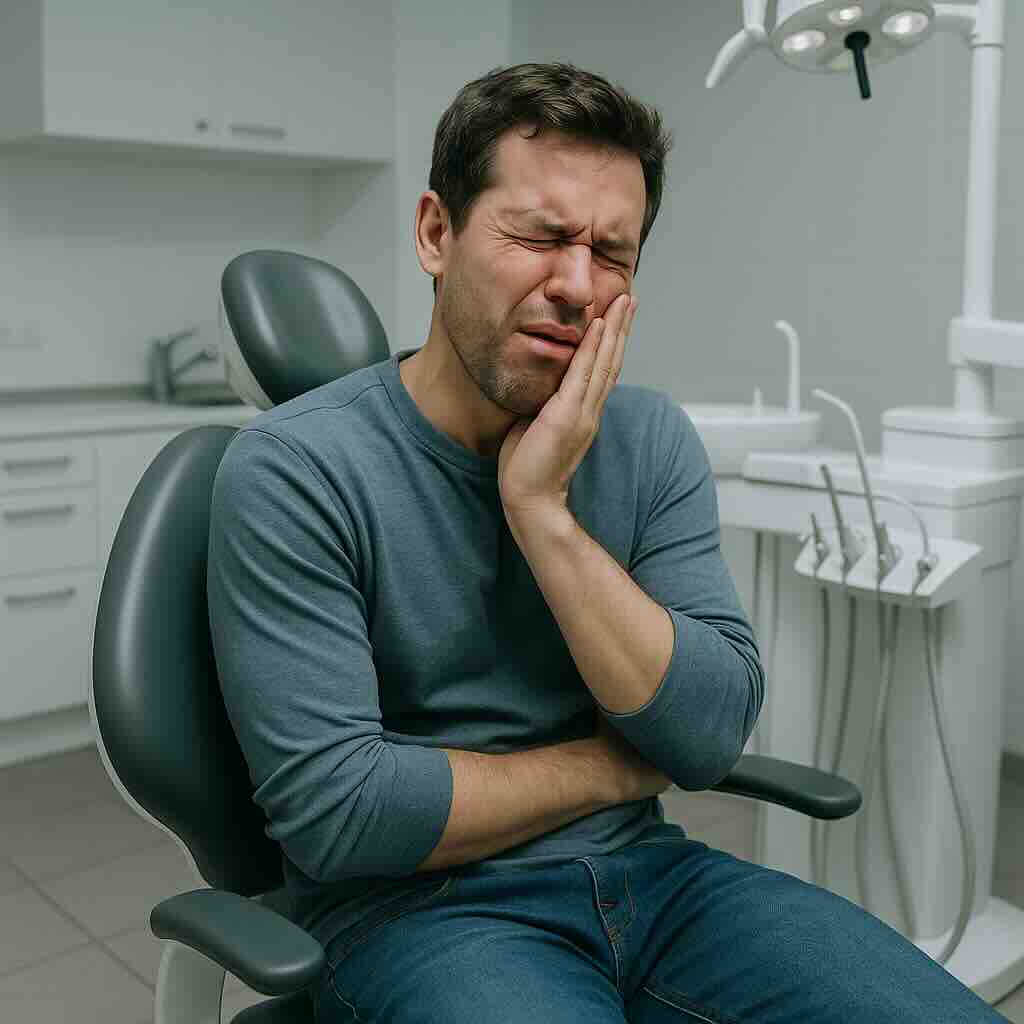
A dental emergency rarely arrives at a convenient time. It hits during a workday, in the middle of dinner, late at night, or just before a weekend trip. One minute you are fine, and the next you are holding your jaw, trying to figure out whether the pain will pass or whether you need help immediately. In Plano, where schedules tend to be full and traffic can add frustration to an already stressful situation, preparation matters more than most people realize.
People often think the hardest part of an emergency visit is the pain itself. Pain is part of it, but the real challenge is making good decisions while stressed. I have seen the difference that a few calm, practical steps can make. Patients who know what to do before they leave the house usually get treated faster, communicate more clearly, and avoid preventable setbacks. Patients who rush out in a panic often forget medications, leave a broken crown on the kitchen counter, or arrive without a clear sense of when the problem started.
Preparing for an emergency dentist visit does not mean overcomplicating the moment. It means focusing on what will help the dentist identify the problem quickly, relieve pain safely, and protect the tooth or surrounding tissues if that is still possible. If you are looking for an emergency dentist Plano, TX residents can count on, these preparation steps can make the visit smoother and more productive.
Know what actually counts as a dental emergency
Not every dental problem needs same-day care, but many do. Severe tooth pain that keeps you from eating or sleeping is a common reason to seek urgent treatment. Swelling in the gums, face, or jaw also deserves prompt attention, especially if it is spreading or paired with fever. A knocked-out tooth is time-sensitive in the strictest sense. In many cases, the best chance of saving it comes within the first 30 to 60 minutes.
Other situations can be less dramatic but still urgent. A cracked tooth may not bleed much, yet a deep crack can expose the nerve or split below the gumline. A lost filling or crown can seem minor in the moment, but the exposed tooth may become extremely sensitive or fracture further if left unprotected. Soft tissue injuries to the lips, cheeks, tongue, or gums can also warrant emergency care if bleeding is difficult to control.
A good rule is to think in terms of function, pain, infection, and Emergency dentist Plano, TX bleeding. If the issue involves intense pain, visible swelling, uncontrolled bleeding, or trauma that affects how your teeth come together, it deserves a prompt call to a dental office. If you are unsure, call anyway. A trained front desk team or clinical staff member can often help you determine whether you need immediate treatment, a next-day appointment, or emergency room care.
Call before you get in the car
This is the step people skip most often, and it matters more than you might think. Calling the office ahead gives the team time to prepare for your arrival, reserve the right amount of chair time, and advise you on immediate first aid. In some cases, they may tell you to bring the broken tooth fragment, avoid eating beforehand, or take an over-the-counter pain reliever if medically appropriate. If you have facial swelling or trauma, they may advise you differently based on the details.
Plano has no shortage of dental practices, but hours, same-day availability, and emergency protocols vary widely. Some offices reserve specific blocks for urgent patients. Others handle emergencies only during regular business hours. A brief phone call can save you from arriving at the wrong place or showing up just as the office is closing.
When you call, be ready to describe the problem simply and clearly. Say when it started, whether pain is constant or triggered by biting or temperature, and whether you have swelling, bleeding, or a fever. If the issue followed an injury, mention how it happened. “I cracked a molar on an olive pit at lunch,” is more useful than “my tooth hurts.” Details help the team estimate urgency and treatment needs.
Get your pain under control without creating new problems
Pain can make people do unwise things. They place aspirin directly on the gum, take multiple medications too close together, or apply heat to a swollen face. These are classic mistakes. Aspirin against gum tissue can cause a chemical burn. Doubling up on pain relievers can create medical risks. Heat can worsen swelling in some cases.
If you normally tolerate common over-the-counter options and have no medical reason to avoid them, many people get temporary relief from acetaminophen or ibuprofen taken as directed on the label. If you are pregnant, have kidney disease, stomach ulcers, liver disease, are on blood thinners, or are unsure about interactions, use caution and call the dental office or your physician before taking anything. A cold compress on the outside of the cheek often helps reduce pain and swelling after trauma. Ice should be wrapped, not pressed directly onto the skin.
Avoid chewing on the painful side. Stay away from very hot, very cold, and very sweet foods if they trigger symptoms. If a sharp broken edge is irritating your tongue or cheek, a small piece of sugar-free gum or dental wax can temporarily cover it until you are seen.
If a tooth gets knocked out, time and handling matter
This is one of the few true dental emergencies where what happens in the first minutes can change the outcome significantly. A knocked-out permanent tooth should be handled by the crown, not the root. The cells on the root surface are delicate, and rough handling can reduce the chance of successful reimplantation. If the tooth is dirty, rinse it gently with milk or saline, or with clean water for only a few seconds. Do not scrub it.
If possible, place the tooth back into the socket and bite gently on clean gauze or cloth to hold it in position. If that is not possible, keep the tooth moist. Milk is often a practical option. A tooth preservation product, if available, is even better. Holding it in your mouth between the cheek and gums is sometimes suggested for adults who can do so safely, but it is not appropriate for young children because of the swallowing risk.
This is the moment to move quickly and call an emergency dentist Plano, TX office immediately. Every minute counts. I have seen cases where fast action made the difference between saving a tooth and planning for a replacement.
Preserve broken pieces and appliances
A chipped veneer, fractured crown, broken denture tooth, or snapped orthodontic wire may seem less urgent than a knocked-out tooth, but saving all pieces is still worthwhile. Dentists can sometimes use fragments to evaluate the break pattern, confirm the material involved, or even reattach a piece in select situations. Place fragments in a clean container or resealable bag. If there is blood or saliva on them, that is fine. Do not try to clean them aggressively.
The same goes for crowns and fillings that come out. A lost crown may fit back onto the tooth temporarily in the office, or it may at least help the dentist understand what failed. If you wear aligners, retainers, partial dentures, or a nightguard, bring them if they relate to the problem. An appliance can reveal changes in bite, hidden grinding habits, or the source of soft tissue irritation.
Do not walk in empty-handed
The most efficient emergency visits happen when the patient arrives with the basics ready. Staff can move quickly when insurance details, medication history, and recent health changes are easy to review.
Here is a practical short list of what to bring:
- A photo ID, insurance card if you have one, and a form of payment
- A current medication list, including dosages if possible
- Any relevant dental pieces, such as a crown, tooth fragment, or broken appliance
- A brief note on allergies, medical conditions, and recent surgeries
- The name and contact information of your regular dentist, if different
That second item matters more than many people expect. Medication interactions and bleeding risks affect treatment decisions every day. A patient who says, “I take a little blood pressure medicine and something for my heart,” is giving the team very little to work with. A patient who can show a phone list or pill bottles saves time and reduces errors.
Take a photo before swelling or bleeding changes the picture
Phones can be surprisingly useful during a dental emergency. If you can do it safely, take one or two well-lit photos before you leave home. A cracked front tooth after a fall, sudden gum swelling near a molar, or facial puffiness that is worse in the morning can all look different by the time you reach the office. Bleeding may stop. Swelling may shift. A temporary repair may come loose.
Photos help document the original appearance and can be useful if the issue relates to trauma, sports injury, or even insurance questions later. You do not need an artistic close-up. A simple, clear image is enough. If the injury happened in a sports setting, note the time and whether there was any blow to the head, loss of consciousness, or dizziness, since that may change the urgency and whether a medical evaluation is needed in addition to dental care.
Be honest about the timeline
Patients sometimes minimize how long a problem has been brewing. They will say the pain started “recently,” then mention that the filling broke three weeks ago and the swelling appeared two days earlier. Dentists are not asking to assign blame. They are trying to determine whether they are dealing with fresh trauma, deep decay, a failed root canal, a draining abscess, or something else entirely.
If the pain started after biting on something hard, say so. If you have been taking leftover antibiotics from a previous prescription, mention it. If the tooth has hurt on and off for months but became unbearable overnight, that pattern tells a story. Symptoms that come and go with hot or cold often suggest a different stage of nerve irritation than pain that wakes you from sleep or throbs continuously.
A precise timeline also helps with treatment planning. Some emergencies can be solved definitively in one visit. Others require a temporary measure first, such as draining an abscess, placing a sedative filling, or stabilizing a cracked tooth until a root canal or crown can be completed.
Expect the first visit to focus on relief and stabilization
Many people assume an emergency appointment will fix everything in one sitting. Sometimes it does. A small abscess may be drained and treated promptly. A crown may be recemented. A simple extraction may be completed that day. But just as often, the immediate goal is to get you comfortable, identify the cause, and prevent the situation from worsening.
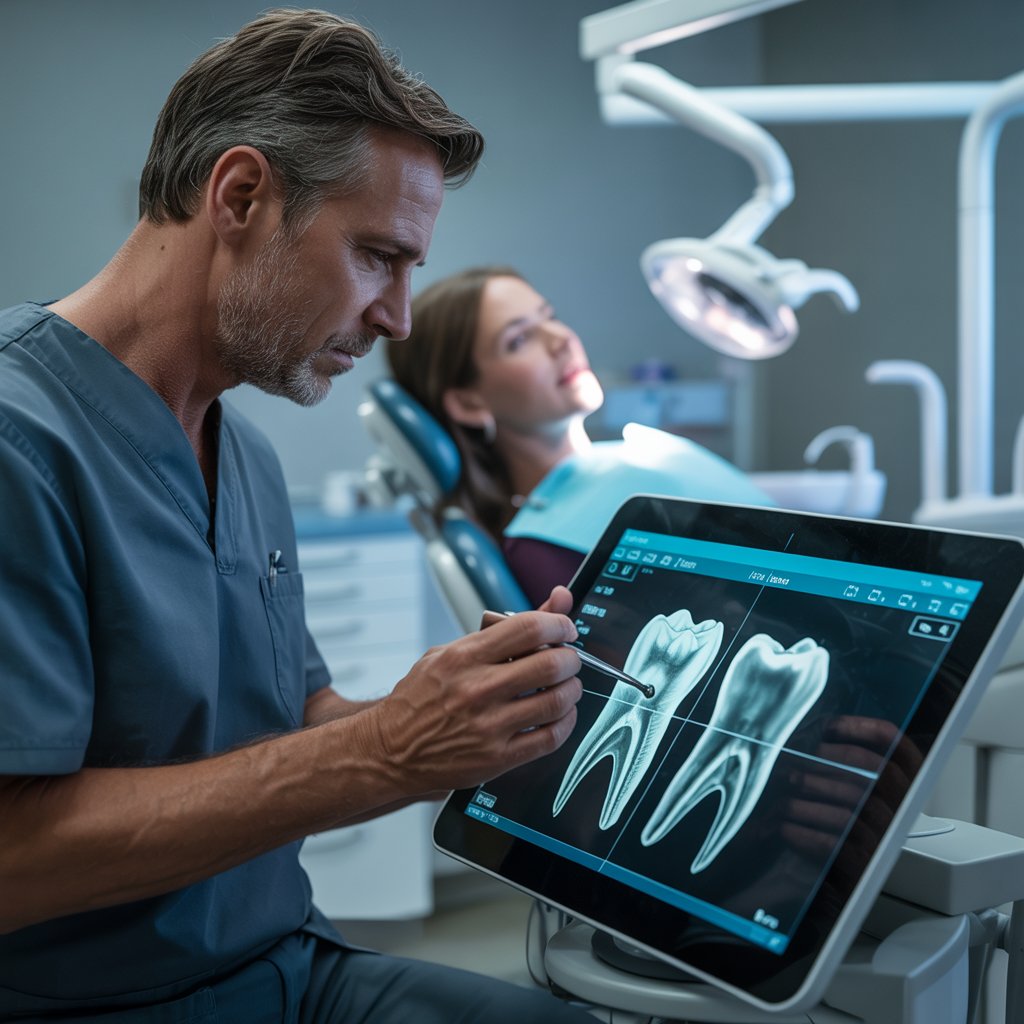
That can mean taking X-rays, testing the tooth, checking the bite, and discussing a few treatment paths rather than jumping straight into a permanent solution. If the area is badly inflamed, numbness may be harder to achieve, or a final restoration may need to wait until infection and swelling settle. In cracked tooth cases, diagnosis can be especially tricky. A tooth may need to be temporarily stabilized to see whether symptoms improve before a long-term decision is made.
This is one reason preparation helps. When patients understand that emergency dentistry is often about triage first and full restoration second, they tend to feel less frustrated and make more grounded decisions.
Arrange your schedule like the visit may take longer than expected
Even if the office gives you a set time, true emergency care Emergency dentist Plano, TX can be unpredictable. Imaging may reveal a different problem than expected. A simple ache may turn out to be a vertical fracture. A tooth that looked restorable may not be. You may need more anesthetic, a referral to a specialist, or an antibiotic prescription followed by a return visit.
If you can, clear more time than you think you need. Arrange child care if necessary. Let your employer know there may be some uncertainty. Do not plan to rush from an emergency dental appointment straight into an important meeting if you can avoid it. Local anesthetic can leave you numb for hours. You may also be mentally drained, especially after a painful night or a stressful injury.
For parents bringing children, preparation becomes even more important. Bring a comfort item, a spill-proof water bottle, and a calm explanation rather than a frightening one. “The dentist is going to help your tooth feel better,” usually lands better than “they may have to pull it.”
Know when the emergency room is the better first stop
Dentists treat many urgent oral problems, but some situations belong in a hospital emergency department first. Trouble breathing, difficulty swallowing, rapidly spreading facial swelling, serious head injury, heavy uncontrolled bleeding, or trauma involving possible jaw fracture needs medical evaluation without delay.
Use this quick guide when deciding where to go first:
- Go to the ER immediately if swelling affects breathing or swallowing
- Go to the ER if bleeding will not stop after steady pressure
- Go to the ER after major facial trauma, especially if the jaw seems displaced or you cannot open properly
- Go to the ER if there are signs of concussion, confusion, or loss of consciousness
- Call a dentist first for isolated tooth pain, a broken tooth, a lost crown, or a localized dental abscess without breathing issues
This distinction matters because emergency rooms can manage life-threatening issues, pain, dehydration, and severe infection, but they usually do not provide definitive dental treatment. Many people with dental pain leave the ER with temporary medications and still need a dentist the next day. If your issue is purely dental and you are medically stable, an emergency dentist is usually the more direct path to treatment.
Plano-specific realities that are easy to overlook
Plano residents juggle school pickups, toll roads, work commutes, and packed calendars. Those local realities shape how you should prepare. If you are heading out during peak traffic, allow extra travel time. Pain feels worse when you are stuck in a car and running late. If swelling is visible and you are self-conscious, bring a cold pack for the ride and a bottle of water, but avoid drinking if the office has asked you not to because of possible sedation or a specific procedure.
It also helps to know whether your usual dentist has after-hours instructions on their voicemail or website. Many established family practices in the Plano area have a process for urgent patients, even if the office is closed. If you are new to the area, save the number of a reputable emergency dentist Plano, TX provider before you need one. The best time to research emergency options is not while you are pacing your kitchen at 11:30 p.m. With a swollen molar.
For families involved in sports, keep a basic dental emergency kit at home and another in the car or sports bag. Gauze, a clean container, saline, and the number of your dentist take up almost no space. Mouthguards prevent many injuries, but even careful athletes get elbows, balls, and bad landings.
Small details that make a big difference once you arrive
When you check in, tell the front desk immediately if your pain spikes with pressure, if you feel faint, or if swelling has increased during the drive. If you have dental anxiety, say so without embarrassment. Offices hear it every day, and they can often adjust how they communicate, numb, and pace the appointment.
If cost is a concern, ask early rather than waiting until treatment is proposed. Emergency care can involve anything from an exam and X-rays to extraction, root canal therapy, or temporary stabilization. Fees vary based on what is needed. A straightforward conversation at the beginning is easier than trying to absorb the information while numb and exhausted at the end.
It is also wise to ask what the likely next step will be after the emergency visit. Will you need a crown in two weeks? A root canal with a specialist? A follow-up to monitor healing? Leaving with a clear picture of the plan reduces the chance that temporary relief turns into a recurring problem.
The emotional side of dental emergencies deserves respect
People often feel embarrassed during dental emergencies. They apologize for not flossing enough, for delaying care, for breaking a tooth on something they “should not have eaten,” or for being afraid. None of that helps in the moment. Dental emergencies happen to meticulous patients and neglectful ones, to people with brand-new crowns and people with decades-old fillings, to athletes and office workers and children at birthday parties.
The best preparation is practical, not self-critical. Focus on preserving the tooth if possible, controlling pain safely, bringing the right information, and getting to the right provider without delay. A calm, organized response gives the dental team the best chance to help you quickly and effectively.
There is a noticeable difference between a visit shaped by panic and one shaped by preparation. The second is not pain-free or pleasant, but it is steadier. You know what to say. You know what to bring. You understand that urgent care is about smart first steps, not chaos. And when a tooth breaks, an abscess flares, or a child takes a hard hit to the mouth, that steadiness goes a long way.
Vitality Dental
1220 Coit Rd # 106, Plano, TX 75075, United States
+1 972-645-4100
FAQ About Emergency dentist Plano, TX
Will the ER do anything for dental pain?
An emergency department can assess urgent symptoms and provide medical stabilization. Definitive treatment of the tooth usually requires a dentist. Seek emergency medical care for breathing or swallowing difficulty, uncontrolled bleeding, or serious facial injury.
What to do if I have a dental emergency in the middle of the night?
Contact a dentist or after-hours dental service promptly for guidance. If a permanent tooth is knocked out, keep it moist in milk while seeking immediate care. If symptoms suggest a medical emergency, go to an emergency department.
What qualifies as a dental emergency?
A knocked-out permanent tooth, severe or persistent tooth pain, a significant dental injury, or swelling may require urgent dental assessment. Call a dentist to describe the symptoms and determine timing. Uncontrolled bleeding or difficulty breathing or swallowing requires emergency medical care.