Dental Emergency After Cosmetic Dental Work
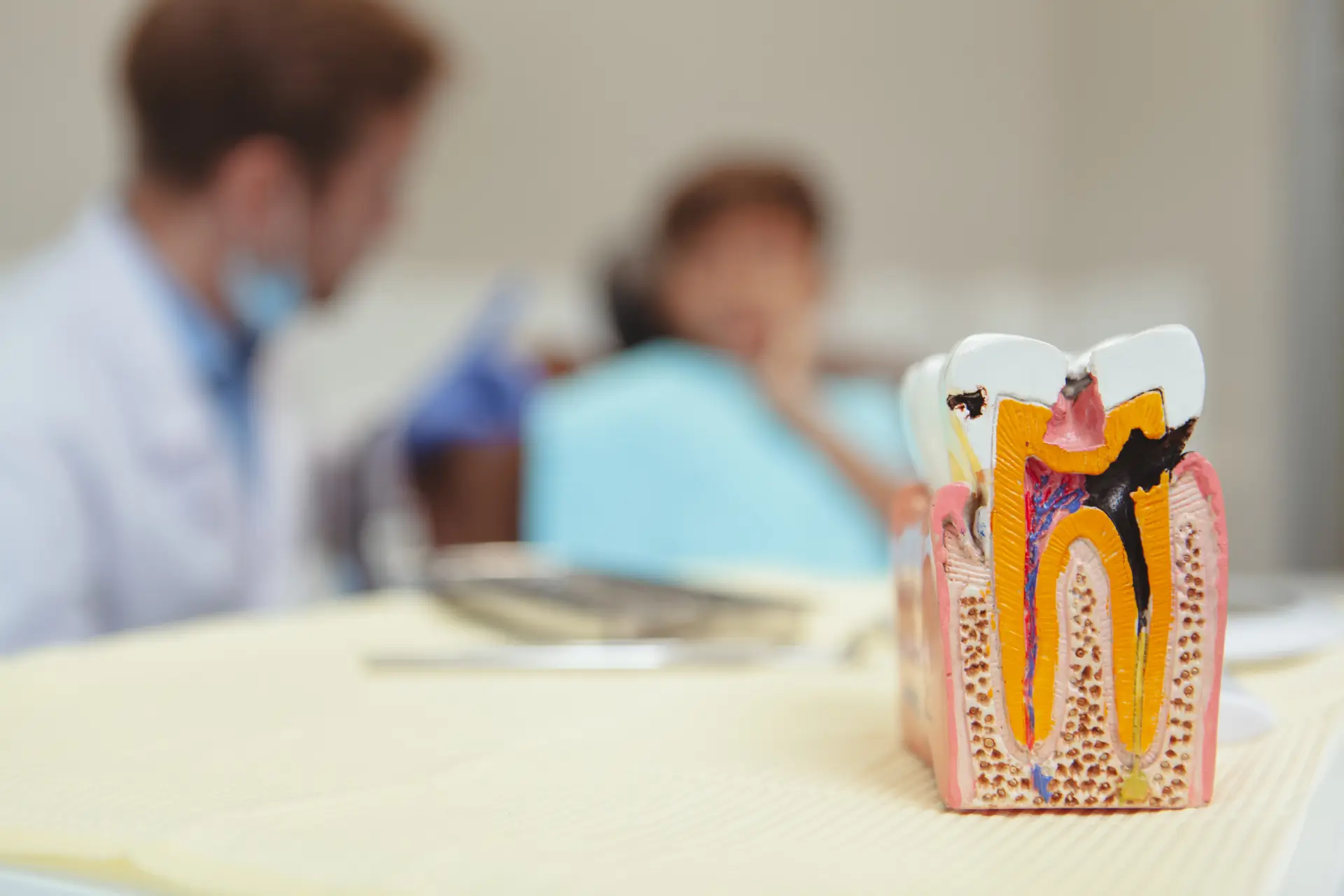
Cosmetic dentistry can transform a smile quickly, sometimes in a single appointment, but the days and weeks after treatment can be less straightforward than many patients expect. Veneers, bonding, whitening, contouring, and full smile makeovers often look polished in the chair. Once the numbness fades and normal life resumes, that polished result can meet coffee, crusty bread, nighttime grinding, cold air, and stressed bite patterns. Most post-treatment discomfort is manageable and temporary. Some situations, though, cross the line into a true dental emergency.
That distinction matters. A little sensitivity after whitening is common. A veneer that pops off while you are traveling for work is not something to shrug off. Bonding that chips on a Friday evening before an important event feels urgent for understandable reasons, but urgency and emergency are not always the same thing. Knowing the difference can save a restoration, reduce pain, and prevent a small complication from turning into a larger and more expensive repair.
Patients are often surprised by how fast cosmetic work can become functionally important. A front tooth veneer is not just decorative. It helps guide speech, supports lip posture, and protects prepared tooth structure underneath. The same goes for bonding on a chipped incisor or a crown placed as part of a cosmetic plan. Once those materials are compromised, aesthetics are only part of the story. Exposure, bacterial leakage, bite imbalance, and soft tissue injury can follow.
What counts as a dental emergency after cosmetic treatment
A dental emergency after cosmetic dental work is any post-treatment problem that involves severe pain, uncontrolled bleeding, trauma, swelling, signs of infection, airway concerns, or sudden failure of a restoration that leaves the tooth vulnerable or creates a dangerous bite problem. It can also include damage that may be repairable only within a short time window, such as a veneer that has come off intact and could potentially be rebonded if handled properly.
The challenge is that cosmetic procedures often involve healthy teeth that were reshaped, etched, bonded, or otherwise altered. Those teeth can become acutely sensitive if a restoration loosens or if the enamel surface has been significantly changed. A patient may not have a cavity or deep crack in the traditional sense, yet they may still face intense discomfort because the protective layer is no longer doing its job.
Pain is not always the best measure. Some emergencies are painful, some are not. A loose veneer may cause little discomfort but still needs prompt professional attention. A whitening burn on the gums can look dramatic and sting sharply, but it may resolve without lasting harm if managed correctly. Judgment matters.
The first 24 hours can tell you a lot
When something feels wrong after cosmetic dental work, timing offers clues. Immediate discomfort during the first day often points to soft tissue irritation, bite issues, bonding stress, or expected postoperative sensitivity. Problems that worsen over several days can suggest pulpal inflammation, a poorly tolerated bite adjustment, or bacterial leakage under a restoration. Sudden failure after a period of feeling normal often points to trauma, hidden grinding, adhesive breakdown, or an underlying structural weakness in the tooth.
I have seen patients dismiss the early warning signs because they assume discomfort is simply part of the process. Sometimes it is. Sometimes the body is giving a very specific message. A bonded edge that catches your floss every time is not just annoying. It may be the first sign of marginal failure. A veneer that feels a little high can trigger clenching, jaw pain, and microfractures elsewhere. A tooth that gives a sharp zing only when breathing in through the mouth may be telling you that dentin or a prepared surface is exposed.
Cosmetic procedures that most often lead to urgent problems
Veneers are one of the most common sources of urgent calls, especially in the first few weeks after placement. The issue may be debonding, fracture, edge roughness, bite interference, or significant sensitivity to temperature. Patients who have minimal-prep veneers sometimes assume there is little risk because less tooth was altered. In reality, even a conservative veneer can become urgent if it loosens and starts flexing during function.
Composite bonding is another frequent source of after-hours concern. Bonding is versatile and conservative, but it is also more vulnerable to edge chipping and staining than ceramic. A bonded corner on a front tooth may fail after biting into a sandwich or even after years of stress from nail biting. If the break is small and smooth, it may wait a day or two. If the break leaves a sharp edge that cuts the lip or exposes a sensitive area, it deserves same-day advice.
Teeth whitening creates its own kind of emergency scenario. Most sensitivity after bleaching is self-limited. The more urgent situations involve chemical burns to the gums, accidental ingestion of high-concentration material, or pain that is severe enough to interrupt sleep and function. These cases are less dramatic than a broken veneer, but they still require prompt guidance.
Crowns placed for cosmetic reasons can also become a problem, especially if they are part of a broader smile redesign. A temporary crown that comes off during treatment is inconvenient but usually manageable if the tooth is protected quickly. A final ceramic crown that cracks, becomes mobile, or causes a bite that feels impossible to close into needs timely assessment.
Warning signs that should not wait
Some symptoms justify contacting the dental office immediately, even if it is after hours. The exact timeline depends on access to care, but waiting several days can cost you options.
- Swelling that is increasing, especially if it affects the face, gums, or the ability to swallow comfortably
- Severe or throbbing pain that does not respond to routine over-the-counter medication
- A veneer, crown, or large bonded piece that has come off or is moving
- Bleeding that continues beyond mild oozing or is associated with obvious tissue injury
- Fever, bad taste, pus, or pressure that suggests infection
That list is not exhaustive. A sharp fragment you are at risk of inhaling, a broken restoration after a fall, or a sudden change in the way your teeth meet can also be urgent. Patients often focus on what they can see in the mirror. Dentists tend to worry about what cannot be seen, such as exposed tooth structure, inflamed pulp tissue, or a bite trauma that can trigger secondary problems.
When it feels urgent but is probably not an emergency
Not every alarming moment needs a same-night appointment. This is an important point because panic can lead patients to improvise repairs at home that make professional treatment harder.
Mild sensitivity to cold after veneers or bonding is common, especially during the first week or two. The same applies to temporary tenderness when biting after a crown adjustment. Gums can look slightly irritated after retraction or polishing. Whitening often causes diffuse zingers that come and go. These symptoms deserve monitoring and, if persistent, a phone call to the office, but they are not automatically a dental emergency.
A tiny chip in bonding with no pain and no roughness can usually wait for normal business hours. So can a small stain line at the edge of a veneer, a slight lisp as your tongue adapts, or a general sense that the new smile feels unfamiliar. Cosmetic treatment changes contours, light reflection, and the way your lips and tongue interact with the teeth. Some adaptation is normal.
The more useful question is not, “Does this bother me?” It is, “Could waiting make this harder to fix, riskier for the tooth, or more painful?”
What to do right away at home
Good home management in the first few hours can preserve the restoration and protect the tooth. Bad home management can contaminate, distort, or even break something that might otherwise have been salvageable.
If a veneer or crown comes off intact, handle it gently and avoid testing it repeatedly in and out of the mouth. Repeated pressure can crack ceramic or damage the internal surface. Rinse it with clean water if needed, place it in a clean container, and bring it to the appointment. If the exposed tooth is sensitive, avoid extremes of temperature and chewing on that side.
If a bonded edge chips and feels sharp, orthodontic wax from a pharmacy can sometimes cover it temporarily and protect the lip or tongue. Sugar-free gum can work in a pinch, though it is less ideal because it can cling to the area. If tissue is irritated by whitening gel, discontinue the product, rinse thoroughly, and avoid reapplying anything harsh. Warm saltwater rinses are usually more helpful than aggressive mouthwashes in the first day.
One piece of practical advice matters more than patients expect: stick to a soft, bland diet until you are assessed. Toast, nuts, jerky, crusty pizza, and raw carrots are common villains in post-cosmetic emergencies. It is remarkable how often a repairable problem becomes a replacement because a patient kept “testing” the area with normal chewing.
Here is a useful first-response checklist for the first few hours after something goes wrong:
- Save any broken or detached piece
- Rinse your mouth gently with water or saltwater
- Avoid chewing on the affected side
- Use a cold compress outside the face if swelling or trauma is present
- Call the treating dentist, and if symptoms involve breathing, swallowing, or spreading infection, seek urgent medical care
That is enough for most situations until you receive professional guidance. More intervention is not better.
The repairs patients try at home, and why they often backfire
Patients are resourceful, especially when embarrassed, in pain, or facing a packed schedule. That resourcefulness can create trouble. Over-the-counter dental cements sold for lost crowns have legitimate short-term uses, but they are not one-size-fits-all. They can interfere with proper rebonding of veneers, trap debris against the tooth, and distort the fit if applied too thickly. Super glue should never be used in the mouth. It damages soft tissue, contaminates bonding surfaces, and makes the repair process significantly harder.
Another common mistake is assuming that if a restoration fits back onto the tooth, it should be pushed into place. Veneers and crowns are designed with precise internal surfaces. Even a tiny particle, a thin saliva film, or a slight orientation error can change the seating. Once forced, the restoration may crack or wedge in a way that causes more trauma.
Whitening trays and bleaching syringes create their own category of DIY misjudgment. More gel does not mean better results. Patients who feel one area looks darker sometimes overload a tray and cause a chemical burn. A white sloughing patch on the gum is often a superficial burn rather than an infection, but it can be painful and alarming. Better tray fit, less gel, and shorter wear time solve many of these problems, though severe discomfort deserves an exam.
Why cosmetic work fails unexpectedly
When patients hear that a veneer or bonding failed, they often assume someone did something wrong. Sometimes there is a clear technical issue. Often the truth is more nuanced. Cosmetic dentistry lives at the intersection of materials science, bite forces, habits, and biology.
A patient with heavy clenching can place extraordinary force on a beautifully made veneer, especially if the front teeth are now guiding movements they did not guide before. Someone with very thin enamel may experience sensitivity after conservative treatment even when everything was done correctly. A tooth with an old filling or prior trauma may have less structural resilience than it appears to have from the outside. Bonding to enamel is generally predictable. Bonding to dentin or to a heavily restored surface is less forgiving.
There are also timing issues. A temporary restoration is just that, temporary. It may be serviceable for a short interval but more likely to loosen than a final one. Likewise, the gums and bite can shift after treatment. A smile that looked and felt balanced under anesthesia may reveal a high contact the next morning.
This is why experienced cosmetic dentists spend so much time on occlusion, provisional phases, and habit management. The glamorous “before and after” photographs rarely show the night guard, the careful adjustment at the one-week review, or the long conversation about not opening packaging with your teeth. Yet those details often determine whether the result stays beautiful and comfortable.
The role of the bite in post-cosmetic emergencies
Bite issues are one of the least understood causes of pain after cosmetic work. A restoration can look perfect and still function poorly if the contact pattern is off. Even a contact that is only slightly high can make one tooth absorb more force than it should. Patients may describe this as pressure, tenderness when tapping, a sense that the tooth is “too tall,” or a headache that appeared after treatment.
This matters because bite trauma can mimic other conditions. It can feel like a tooth infection. It can create ligament inflammation around the tooth root. It can trigger muscle tension that patients experience as ear pain or jaw fatigue. In some cases, it contributes to fracture of the restoration itself.
I remember a patient who called two days after a cosmetic bonding appointment convinced that one front tooth “had a nerve problem.” The tooth was not decayed, cracked, or infected. The issue was a tiny premature contact when she slid her teeth forward. Once adjusted, the pain eased over forty-eight hours. That kind of scenario is common enough that any new pain after cosmetic work deserves a bite check before more invasive assumptions are made.
Infection after cosmetic dental work
True infections after purely cosmetic procedures are not the norm, but they do happen. More often, cosmetic work reveals an underlying problem in a tooth that was already compromised. A tooth that had an old trauma history, a large pre-existing filling, or borderline pulpal health may react badly after preparation, bonding, or aggressive contour changes.
The warning pattern usually includes escalating throbbing pain, pain that wakes you at night, swelling, tenderness to pressure, or sensitivity that lingers long after cold stimulus is removed. A foul taste or drainage points more strongly toward infection. If facial swelling is spreading or there is fever, the situation becomes more urgent.
Antibiotics are not the universal answer. If the problem is mechanical, such as a loose veneer or bite trauma, antibiotics do nothing. If the issue vitalitydentaldfw.com Dental Emergency is pulpal inflammation without infection, antibiotics still do nothing. This is why accurate diagnosis matters. The right emergency visit may involve rebonding, smoothing, adjusting, protecting the tooth, prescribing pain control, or referring for root canal evaluation. Patients often expect one-size-fits-all treatment. Cosmetic emergencies rarely cooperate with that expectation.
Temporary restorations deserve more respect than they get
During larger smile makeovers, temporaries are often the phase where the patient learns how the new tooth shapes and lengths will function. They also happen to be the phase most likely to generate distress calls. Temporary material is not as strong as final ceramic, margins may be less precise, and the bond is intentionally easier to break for removal.
When a temporary comes off, the exposed tooth can feel startlingly rough or sensitive, especially to air. Patients can panic because the tooth looks smaller or oddly shaped. That is normal for a prepared tooth. The real priorities are protection and prompt communication. A temporary that is out for a short period may be manageable. A temporary that remains off for days can allow teeth to shift, making the final seating more difficult.
People often underestimate how much a single missing temporary can change speech and confidence. For someone in a public-facing job, that can feel like a crisis even when the biology is not dangerous. A professional response recognizes both dimensions, the practical tooth issue and the emotional impact.
Special cases: travel, weekends, and after-hours problems
Dental emergencies rarely happen at convenient times. A veneer comes off before a wedding. Whitening burns appear on a holiday weekend. A temporary crown loosens during a business trip. These cases are stressful partly because access is uncertain.
If you are away from your treating dentist, documentation helps. Take clear photos of the area, note when symptoms started, and describe whether pain is spontaneous, triggered, dull, sharp, or throbbing. If a restoration came off, mention whether it is intact and whether the tooth underneath is sensitive. A local dentist can often triage more effectively with that information.
Travel also exposes a weakness in many cosmetic treatment plans, patients are not always given realistic aftercare instructions. Before elective cosmetic work, especially extensive cases, it is wise to ask what happens if something breaks outside office hours, whether there is an emergency line, how long you should avoid hard foods, and whether a night guard is required immediately.
Prevention is quieter than repair, but far more valuable
The most successful cosmetic cases are usually not the flashiest. They are the ones designed with force management, patient habits, and maintenance in mind. A patient who spends several thousand dollars on veneers and then skips the recommended night guard is taking a very predictable risk. So is the patient who whitens aggressively against advice because they want the “brightest possible” shade by the weekend.
Prevention is mostly ordinary behavior done consistently. Respect the soft diet period. Do not use teeth as tools. Wear the guard if prescribed. Report small changes early. Schedule reviews rather than waiting until something breaks visibly. Cosmetic dental work sits in a demanding environment, moisture, temperature swings, bacterial biofilm, repeated force, and human habit. It performs best when that reality is acknowledged rather than ignored.
There is also a communication side to prevention. Patients do better when they understand not just what was done, but what that means for daily life. A patient with edge-to-edge bite and new bonding should hear very specific advice about biting into apples or crusty bread. Someone with veneers and a heavy clench pattern should hear, plainly, that longevity depends as much on force control as on polish and color.
Knowing when to insist on being seen
There is a practical middle ground between stoicism and panic. If pain is escalating, if a restoration is loose or missing, if swelling is increasing, or if the tooth feels vulnerable and exposed, ask to be seen. If the office minimizes the issue without enough detail, describe the symptoms clearly and mention any cosmetic procedure you recently had. “It is sensitive” is less useful than “my upper right veneer came off intact, the tooth underneath is painful to air, and I cannot bite without a sharp jolt.”
Most dental teams triage emergencies all day. The language you use can help them identify the urgency quickly. Cosmetic cases are sometimes mistakenly perceived as optional because they began electively. Once a restoration fails, the situation may no longer be elective at all.
The central point is simple. Cosmetic dentistry is still dentistry. It affects living teeth, supporting tissues, bite dynamics, and function. A dental emergency after cosmetic dental work is not a contradiction. It is a predictable possibility, and one that is best managed with speed, restraint, and informed judgment. When handled early, many of these problems are repairable. When ignored, they become larger, costlier, and harder on both the smile and the patient behind it.
Vitality Dental
Address: 1220 Coit Rd #106, Plano, TX 75075
Phone number: +19726454100
FAQ About Dental Emergency
What can the ER do for a tooth?
An emergency room (ER) can manage pain and treat severe infections with medication, but it cannot fix or pull a tooth.
What is considered a dental emergency?
A dental emergency is any oral health problem that involves severe pain, uncontrollable bleeding, or an infection that threatens your health or requires immediate care to save a tooth.
Is there a 24-hour dental service in Plano, TX?
There is no physical dental clinic in Plano, Texas, that stays open with walk-in staff 24 hours a day, but several offices offer 24/7 phone support, late-night hours, or same-day emergency care.