Why a Broken Crown Requires an Emergency Dentist in Plano, TX
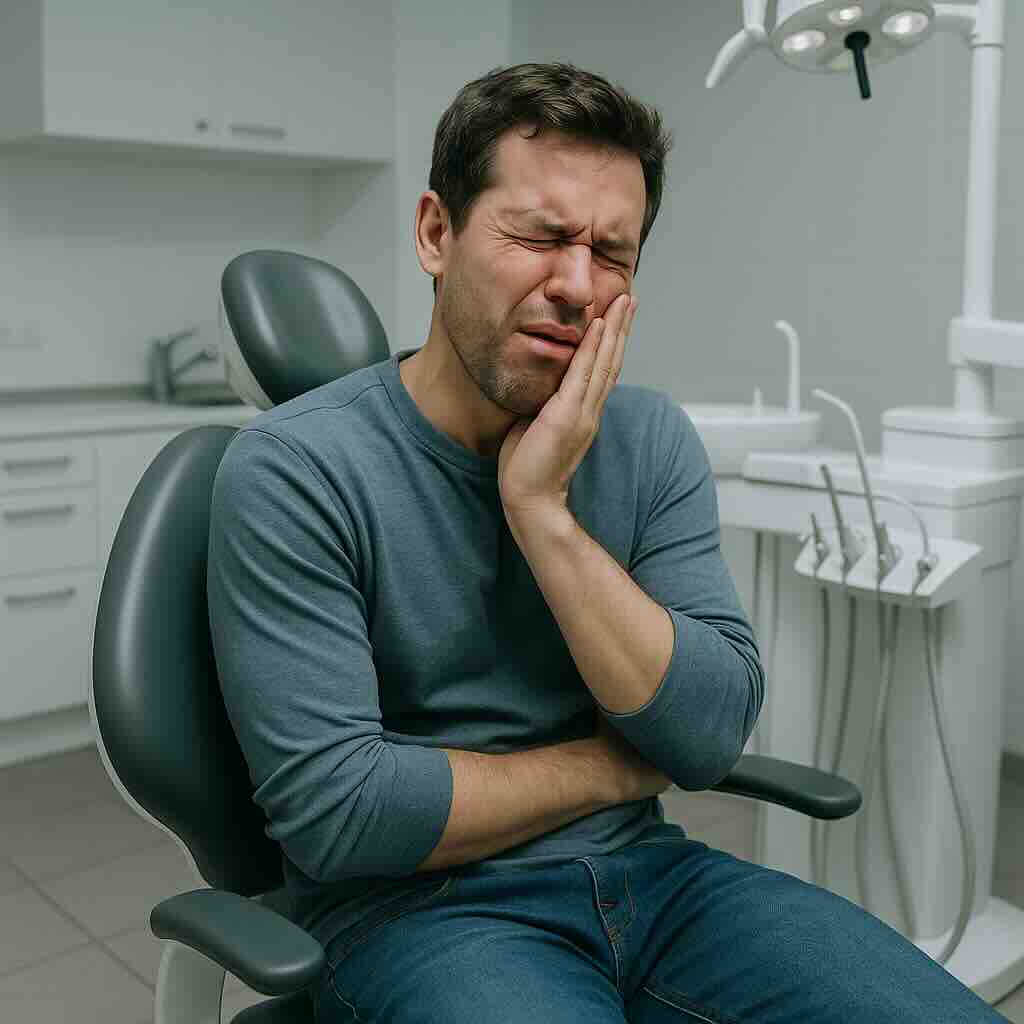
A dental crown is supposed to solve a problem, not create one. Once it is placed, most people expect to stop thinking about that tooth altogether. Then a crown cracks during dinner, pops off while flossing, or breaks around the edge after years of quiet service, and suddenly the situation feels far more urgent than expected.
That reaction is usually justified. A broken crown is not just a cosmetic inconvenience. It can expose a vulnerable tooth, trigger pain, interfere with your bite, trap bacteria under damaged margins, and quickly turn a manageable repair into a more serious dental problem. In many cases, the right move is to contact an emergency dentist in Plano, TX the same day, even if the discomfort seems mild at first.
People often hesitate because they are unsure what qualifies as a real dental emergency. They wonder whether they should wait a few days, take over the counter pain medicine, or see if the crown can be glued back into place. In practice, timing matters. Teeth do not heal the way skin does, and a compromised restoration tends to worsen under pressure from chewing, clenching, temperature changes, and bacterial exposure.
What actually happens when a crown breaks
A crown is a protective cap placed over a damaged, heavily filled, root canal treated, or structurally weak tooth. Its job is to restore shape, strength, and function. When that crown breaks, chips, loosens, or falls off, the tooth underneath loses the barrier that has been shielding it.
That underlying tooth is often not in perfect condition to begin with. In many cases, it already had a large filling, extensive decay, a crack, or significant wear before the crown was ever placed. Remove or weaken the crown, and the tooth is back in a high risk state almost immediately.
The type of break matters. Sometimes the porcelain chips but the crown remains stable. Sometimes the crown splits in half. Sometimes the cement fails and the entire crown comes off intact. Other times, what looks like a broken crown is actually a fractured tooth under the crown, which is a more serious problem and one reason prompt evaluation matters.
From a clinical standpoint, the concern is not just the restoration itself. It is the chain reaction that can follow. A tooth that was merely exposed in the morning can become painfully sensitive by evening. A loose crown can shift your bite and make chewing awkward. A fracture line can deepen. Food and bacteria can work their way into spaces they should never reach.
Why this is treated as urgent, not routine
The word “emergency” can sound dramatic, especially if there is no bleeding and no obvious swelling. Dentistry uses that term a little differently than people often do. An emergency is not only a life threatening event. It can also be a situation where delay raises the risk of pain, infection, tooth loss, or a more complex repair.
A broken crown fits that definition more often than people realize.
First, the exposed tooth structure underneath may be sensitive because dentin does not tolerate temperature and pressure well. Cold water, coffee, air, and even breathing through the mouth can become uncomfortable fast.
Second, a crown that no longer fits correctly can allow bacteria to seep around the margins. Decay under crowns is a common reason crowns fail in the first place. Once the seal is compromised, that process can accelerate quietly.
Third, teeth with broken crowns are physically weaker than they appear. It is common for patients to say, “It only feels a little rough,” and then a day later the remaining tooth breaks further while eating something as soft as bread. Once the tooth structure gives way, the treatment may shift from a straightforward crown replacement to a buildup, a root canal, or in some cases an extraction.
Fourth, pain is not a reliable guide. A tooth can be badly compromised without severe symptoms, especially if the nerve has already been treated with a root canal. The absence of pain should not create false confidence.
The kinds of crown problems that need same day attention
Not every damaged crown leads to a midnight crisis, but several scenarios deserve rapid care from an emergency dentist in Plano, TX.
A crown that has completely fallen off should be seen promptly because the exposed tooth can be fragile, sharp, and highly sensitive. If the crown came off because the tooth underneath decayed or fractured, it may not go back on at all, and that needs professional assessment.
A crown that is still attached but moving is also urgent. A loose crown rubs the gums, traps debris, and can come off unexpectedly. Worse, the movement can stress the tooth underneath and enlarge any hidden crack.
A broken crown accompanied by pain with biting often raises concern for a fracture in the tooth itself. Those are the cases that can deteriorate quickly if a patient keeps chewing on that side.
Swelling, bad taste, pus, or throbbing pain suggest infection, which shifts the situation into a more serious category. Infection around a crowned tooth may stem from the root, the gumline, or decay under the restoration. These cases should not wait.
There is also the practical reality of sharp edges. A jagged crown can cut the tongue or cheek repeatedly. It may sound minor, but constant trauma inside the mouth becomes miserable quickly and Emergency dentist Plano, TX can make eating difficult.
What causes crowns to break in the first place
Crowns are durable, but they are not indestructible. In a busy dental office, the causes tend to repeat.
Grinding and clenching are major culprits. A patient may not even realize they do it until a crown fractures, often after years of nighttime pressure. The force generated by bruxism can crack porcelain, loosen cement, and fatigue the underlying tooth.
Aging restorations are another common factor. Crowns can last many years, but the cement, margins, and tooth structure beneath them change over time. A crown that served well for a decade may fail because recurrent decay sneaks in at the edge or because the tooth has become brittle.
Sticky foods cause their own problems. Caramel, taffy, dense gummy candy, and even some crusty breads can pull at a crown enough to dislodge it, especially if the bond was already weakening.
Trauma is obvious but important. A sports hit, a fall, or even biting unexpectedly on an olive pit can break a crown or the tooth under it in an instant.
Sometimes the issue is not the crown material at all. The failure lies in the foundation. If the remaining tooth structure under the crown is limited, or if a crack extends below the gumline, the crown is only as stable as what supports it.
Why waiting can make treatment more complicated
Patients often hope a broken crown can wait until their next free afternoon. That instinct is understandable. Work schedules are full, children need to be picked up, and a tooth that is “not that bad” rarely feels urgent enough to disrupt the day.
The problem is that dental damage tends to spread under normal use. Every bite places force on the tooth. Every meal introduces bacteria and particles. Every hour with exposed tooth structure invites sensitivity and contamination.
A crown that might have been recemented the same day may no longer fit after the tooth shifts or chips further. A small fracture may widen. A tooth that could have been saved with a new crown may develop irreversible nerve inflammation and require root canal treatment first. If a crack extends too far below the gumline or into the root, the tooth may become nonrestorable.
This is where experience matters. Dentists who routinely handle urgent crown failures know how quickly “I’ll wait until Friday” becomes “now half the tooth is gone.” The window for simpler treatment is often shorter than patients expect.
What an emergency dental visit usually involves
One reason people delay is uncertainty about what will happen at the appointment. They imagine a long, invasive procedure when the first visit is often focused on diagnosis, stabilization, and pain control.
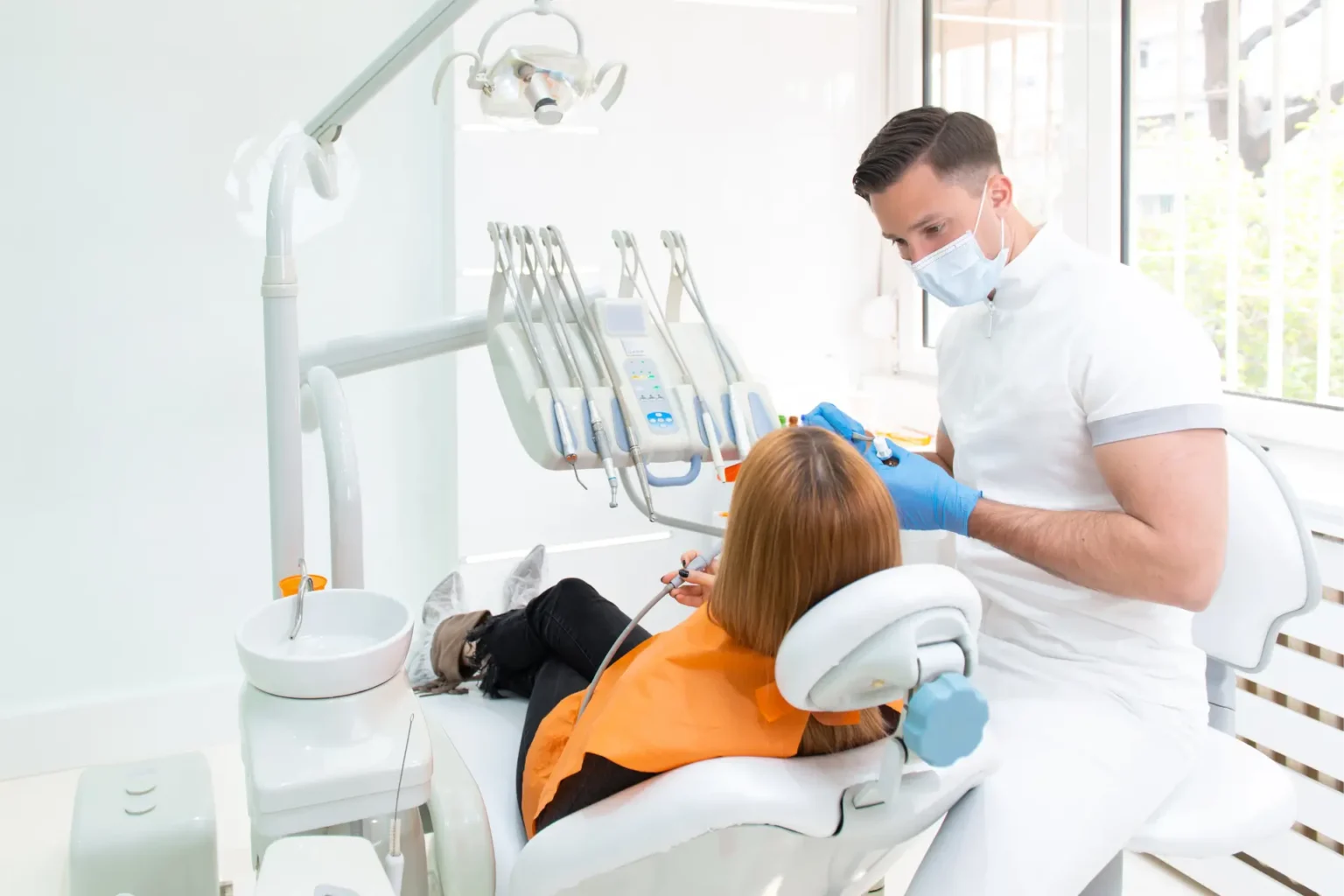
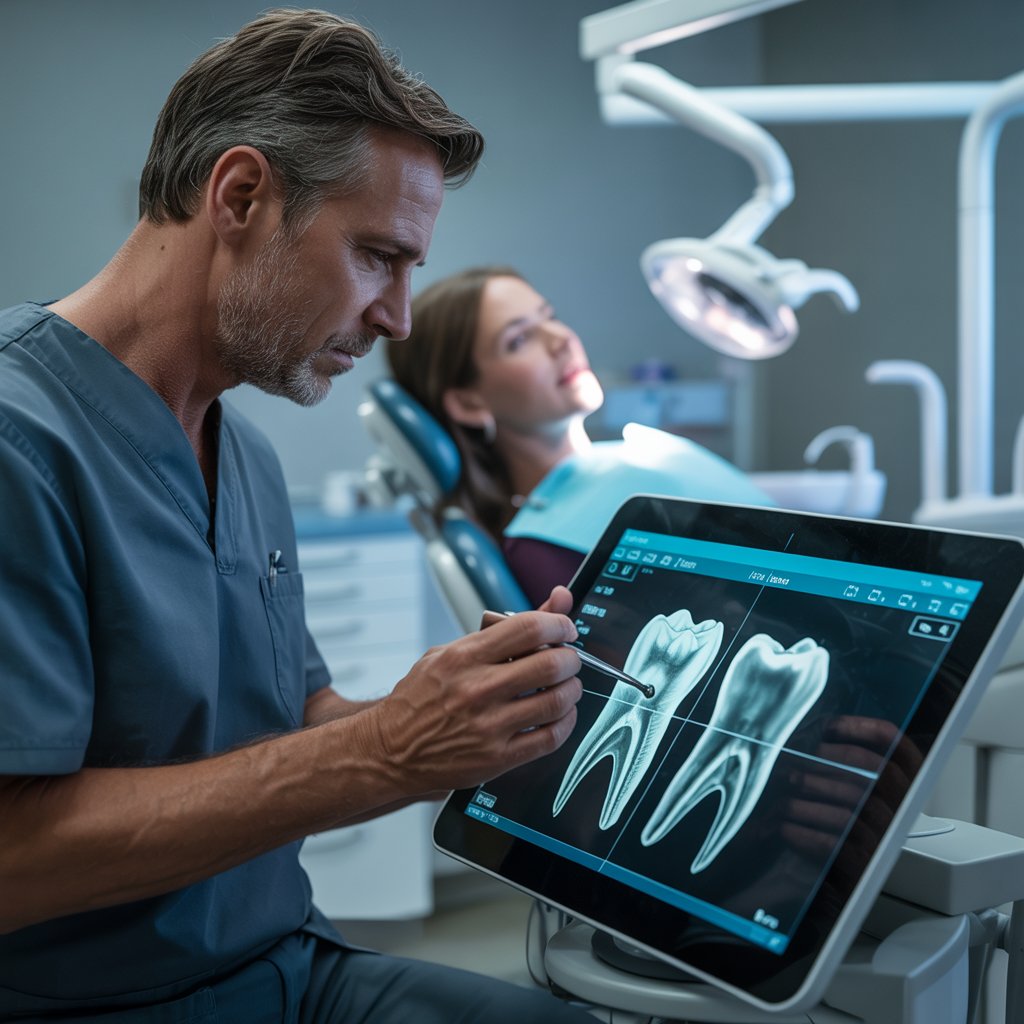
An emergency evaluation typically begins with a careful exam and one or more x rays. The dentist wants to know whether the problem is limited to the crown or whether the tooth underneath is cracked, decayed, infected, or structurally unsound. Bite evaluation also matters because high pressure on one area can both cause and worsen crown problems.
From there, treatment depends on what is found. Sometimes the crown can be recemented if it is intact and the tooth remains healthy enough to support it. Sometimes the dentist smooths a sharp area, places a temporary crown, or covers the tooth with a protective material until a new restoration is made. If the nerve is inflamed or infected, root canal therapy may Emergency dentist Plano, TX be recommended. If the tooth structure is too compromised, extraction and replacement planning may be part of the discussion.
A good emergency appointment does two things. It relieves immediate risk and maps out the next decision with clarity. Patients usually leave knowing whether the fix is simple, moderate, or complex, and what they need to avoid until definitive treatment is completed.
What you should do before you get to the office
If your crown breaks or comes off, a few sensible steps can protect the tooth while you arrange care.
- Save the crown or any pieces if you can find them, and bring them with you.
- Rinse your mouth gently with warm water to clear debris.
- Avoid chewing on that side, especially hard, crunchy, or sticky foods.
- If the area is sharp, dental wax from a pharmacy can reduce irritation temporarily.
- Call an emergency dentist in Plano, TX as soon as possible for guidance and scheduling.
A few cautions are worth stating plainly. Do not try to force a broken crown back into place. Do not use household glue. Temporary dental cement from a pharmacy may occasionally be suggested for a crown that came off cleanly, but only as a short bridge until you are seen, not as a fix. If the crown does not seat easily and fully, leave it alone.
The difference between a chipped crown and a cracked tooth under the crown
This distinction matters because symptoms can overlap. A crown that chips on the outer porcelain may be annoying but still repairable or replaceable without affecting the nerve of the tooth. A cracked tooth under the crown is a different category altogether.
Patients with a chipped crown often notice roughness, cosmetic damage, or a small piece missing. Sensitivity may be mild or absent. Patients with a crack in the underlying tooth more often report pain on biting, a sharp zing when releasing pressure, intermittent sensitivity to cold, or soreness that seems difficult to pinpoint.
That said, these patterns are not perfect. Some deep cracks do not produce dramatic symptoms right away. Some chipped crowns expose enough underlying tooth to create significant sensitivity. This is why photographs and internet guesses are poor substitutes for an exam.
In real practice, one of the more frustrating scenarios is the crowned molar that “just feels off.” The crown may look mostly intact to the patient, but the x ray and clinical exam reveal decay under the margin or a split cusp beneath it. Those cases reward quick attention because every day of continued chewing can worsen the fracture.
Why location matters when you need urgent dental care
When someone needs prompt treatment, convenience becomes part of the clinical picture. If you live or work in Plano, the advantage of seeing an emergency dentist in Plano, TX is not just geography. It is access to timely evaluation before a temporary problem becomes a major one.
Traffic, work commitments, school schedules, and pain tolerance all influence how quickly people act. A nearby dental office that handles urgent visits can make the difference between same day stabilization and several more days of avoidable damage. This is especially true for parents juggling children’s appointments, professionals trying to avoid missed meetings, or older adults who may already be managing multiple health concerns.
Local care also helps with follow through. Broken crown treatment often happens in phases. The emergency visit addresses the immediate issue, and the definitive restoration may require a second appointment. Staying within a local practice makes it easier to monitor symptoms, adjust the bite, and respond if the tooth changes.
When the problem seems minor but still deserves a call
Some crown failures are dramatic. Others are subtle. The subtle ones are easy to dismiss, and those are often the cases that surprise people later.
You should still contact a dentist promptly if the crown feels suddenly rough, if floss catches at the edge where it never used to, if the crown feels taller or “off” when you bite, or if cold sensitivity appears around a tooth that had been stable for years. Small changes in feel often point to a margin issue, a loosening bond, or a fracture that has just begun to declare itself.
I have seen patients wait on a crown because there was no severe pain, only a faint odd sensation. On exam, the crown was rocking microscopically with pressure, and the decay underneath was extensive. They were fortunate the tooth was still restorable. Another month could have changed that.
The financial angle patients do not always consider
Many people postpone emergency dental care because they are trying to avoid cost. That concern is real, and no ethical clinician should ignore it. At the same time, the cheapest option is often the one that protects the tooth before the damage expands.
A recemented or promptly replaced crown generally costs less than a crown plus root canal. A crown and core buildup usually costs less than extraction followed by an implant or bridge. Delaying care because the problem does not seem urgent can accidentally move treatment into a far more expensive category.
This is one reason good emergency dentists explain not only what is happening now, but also the realistic consequences of waiting. Patients deserve straight answers about trade offs. Sometimes a short delay is manageable with precautions. Sometimes it is risky. The value of an urgent exam is that it replaces guesswork with specifics.
What recovery and next steps usually look like
After emergency treatment, the tooth may still need careful handling for a while. Temporary restorations can be functional, but they are not final. If a new crown is planned, patients are usually advised to avoid sticky foods, chew thoughtfully, and report any increase in pain right away.
If the emergency visit revealed a deeper issue, the sequence may involve root canal treatment first, followed by a buildup and then a new crown. If the crown broke because of heavy grinding, a night guard may be recommended after the definitive work is completed. That recommendation is not an upsell. For many patients, it is the piece that protects the investment and prevents repeat fractures.
Long term success depends on more than the crown itself. Margin hygiene, bite balance, management of clenching, and regular exams all matter. Crowns fail for reasons, and those reasons should be addressed, not just covered over with a replacement.
A broken crown is a message, not just a mishap
When a crown breaks, the mouth is telling you something. Sometimes the message is simple, the restoration is old and needs replacement. Sometimes it is more serious, the tooth underneath is decayed, cracked, or infected. Either way, the broken crown is rarely the whole story.
That is why seeking an emergency dentist in Plano, TX is often the right decision. The goal is not panic. It is preservation. Teeth with damaged crowns can often be saved and restored predictably when they are examined early. They become much harder to manage when days turn into weeks and the original problem has been compounded by new fracture, contamination, or infection.
If the crown in your mouth has chipped, loosened, or come off, treat it like a time sensitive issue. Save the pieces, protect the area, and get it evaluated. A fast response may spare you days of discomfort and the much larger problem that neglected crown failures so often become.
Vitality Dental
1220 Coit Rd # 106, Plano, TX 75075, United States
+1 972-645-4100
FAQ About Emergency dentist Plano, TX
Will the ER do anything for dental pain?
An emergency department can assess urgent symptoms and provide medical stabilization. Definitive treatment of the tooth usually requires a dentist. Seek emergency medical care for breathing or swallowing difficulty, uncontrolled bleeding, or serious facial injury.
What to do if I have a dental emergency in the middle of the night?
Contact a dentist or after-hours dental service promptly for guidance. If a permanent tooth is knocked out, keep it moist in milk while seeking immediate care. If symptoms suggest a medical emergency, go to an emergency department.
What qualifies as a dental emergency?
A knocked-out permanent tooth, severe or persistent tooth pain, a significant dental injury, or swelling may require urgent dental assessment. Call a dentist to describe the symptoms and determine timing. Uncontrolled bleeding or difficulty breathing or swallowing requires emergency medical care.